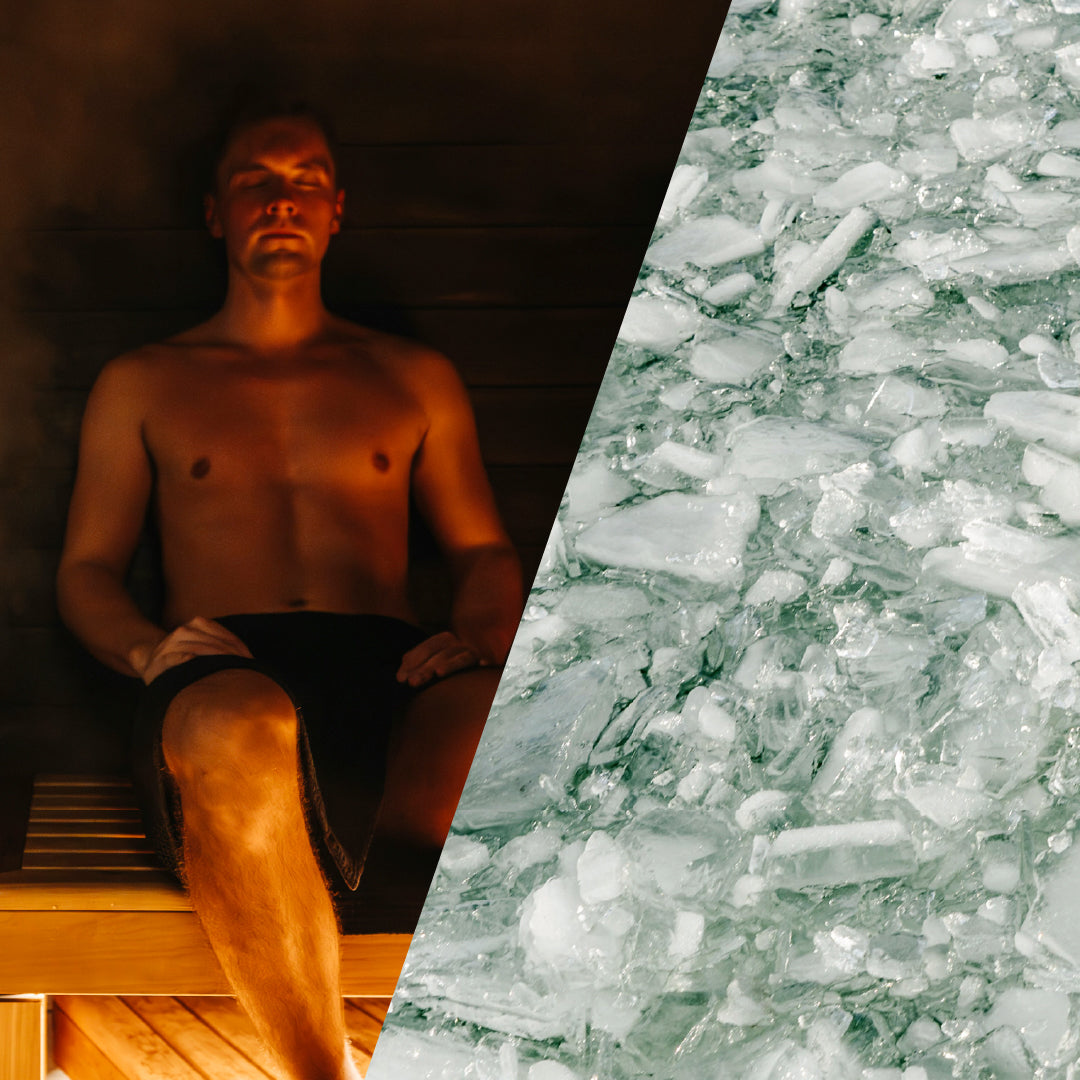
The temperature outside is somewhere below freezing. A Canadian winter evening, still and dark, the kind of cold that settles deep into the bones. But here, inside your cedar sanctuary, the air shimmers at 85°C. Your muscles surrender. Your breath slows. Time softens at the edges.
Then you step outside.
The cold plunge receives you — sharp, absolute, clarifying. Every nerve ending fires at once. Your lungs pull in a breath that feels like the first real breath you've ever taken. And then, thirty seconds later, something extraordinary happens: a profound, spreading calm unlike anything pharmaceutical, unlike anything you've felt before. A warmth that comes from within. A stillness that the ancient Finns simply called sisu.
This is contrast therapy. The world's most powerful wellness ritual. And it has been waiting for you.
The ultimate Canadian wellness ritual — heat and cold, fire and ice, ancient practice made beautifully modern — is now available in your own backyard. Explore our cold plunge collection and outdoor saunas to begin designing your sanctuary.
The Science of Contrast Therapy
What feels transcendent is, at its foundation, deeply physiological. When you immerse yourself in heat, your core temperature rises and your cardiovascular system responds as though you are exercising at moderate intensity. Your heart rate climbs. Blood vessels dilate. Circulation increases dramatically, flooding muscles and connective tissue with oxygen-rich blood. Plasma volume expands. Heat shock proteins are triggered, initiating cellular repair processes.
Then the cold arrives.
Cold water immersion — ideally between 10°C and 15°C — triggers an immediate vasoconstriction. Blood is redirected to protect vital organs. Norepinephrine, the neurochemical responsible for focus, mood elevation, and pain relief, spikes by as much as 300%. Dopamine follows. The vagus nerve — the long, wandering nerve that connects your brain to your heart, lungs, and gut — is stimulated profoundly, activating the parasympathetic nervous system and inducing the deep calm that practitioners describe as almost meditative.
When you return to warmth, the vasodilation that follows creates a circulatory flushing effect. Metabolic waste products are cleared. Inflammation markers decrease. Growth hormone levels rise. The body, cycling between thermal extremes, is essentially performing an internal renovation — and the proven health benefits of this practice accumulate with every session.
This is not wellness theatre. This is biology, working exactly as it was designed to.
A Practice as Old as Civilization
The Finns have been doing this for over two thousand years. The löyly — the sacred steam produced when water meets hot stones — is not merely a feature of Finnish life. It is woven into the cultural fabric, a ritual of cleansing, socialising, and spiritual renewal that has survived every upheaval of history. Finland has more saunas than cars. Births, deaths, business deals, and village disputes have all been conducted inside the gentle heat of a sauna.
The cold component — whether a plunge into a frozen lake, a roll in fresh snow, or a dash into the Baltic Sea — was never optional. It was the counterpoint that gave the ritual its power. The contrast was the point.
Across Scandinavia, the same tradition held. Swedish bastu, Norwegian badstue, Russian banya — each culture developed its own variation on the same primal truth: that the human body responds to deliberate thermal stress with remarkable, measurable resilience. That the discomfort, willingly entered, produces something on the other side that cannot be found any other way.
When you step into one of our saunas and then lower yourself into cold water, you are not following a wellness trend. You are participating in one of humanity's oldest and most enduring practices.
Heat First, Cold Second — The Proper Protocol
The ritual has a structure, and that structure matters. Approached correctly, contrast therapy is profoundly restorative. Approached haphazardly, it is simply uncomfortable. Here is how to do it properly.
Begin with heat
Enter your sauna and allow your body to settle into the warmth. The ideal sauna temperature for contrast therapy sits between 80°C and 100°C, though personal preference and experience level should guide you. Spend 12 to 20 minutes in the heat — long enough for your core temperature to rise meaningfully, for your muscles to fully release, for perspiration to become steady and deep. Breathe slowly. Be present. This is not a race.
Transition to cold
Move to your cold plunge with intention but without hesitation. The water should be between 10°C and 15°C for optimal effect — cold enough to trigger the full physiological response without becoming dangerous. Immerse fully, including shoulders if possible. Breathe through the initial shock, which will pass within 15 to 30 seconds. Remain in the cold for 2 to 5 minutes. This duration is sufficient to achieve the norepinephrine spike and vagal activation without the diminishing returns of longer exposure.
Rest and recover
After the cold, allow your body to return to ambient temperature naturally for 5 to 10 minutes before returning to the sauna. This rest phase is when the body performs much of its restorative work. Do not rush it.
Repeat the cycle
Two to three full rounds — heat, cold, rest — constitute a complete session. Advanced practitioners may do more, but two rounds deliver the majority of the physiological benefit for most people.
End on cold
Finishing on the cold plunge rather than the sauna leaves the nervous system in its most activated, yet simultaneously calm, state — the combination of clarity and peace that contrast therapy practitioners find so remarkable.
Stay well hydrated throughout. Avoid alcohol before or during your session. And always — always — listen to your body.
The Benefits of Regular Practice
The science of contrast therapy has matured considerably in the past decade, moving from anecdote to peer-reviewed literature. What practitioners have known for generations, researchers are now measuring with precision.
Mental clarity and cognitive performance
The norepinephrine and dopamine released during cold immersion sharpen focus, improve working memory, and elevate mood for hours after a session. Many practitioners report that their most productive mornings follow an early contrast therapy ritual.
Physical recovery
Athletes have used cold water immersion for decades to reduce delayed-onset muscle soreness and accelerate recovery between training sessions. The combination of heat-induced circulation and cold-induced inflammation reduction is particularly effective for those who train regularly.
Sleep quality
Regular sauna use has been associated in multiple studies with significantly improved sleep onset and sleep depth. The body's post-sauna temperature drop mirrors the natural thermal decline that initiates sleep, making evening contrast therapy sessions particularly powerful for those with insomnia or disrupted sleep patterns.
Stress resilience
Repeated exposure to controlled thermal stress — in both directions — trains the autonomic nervous system to respond more appropriately to stressors in daily life. This is hormesis in action: deliberate, moderate stress producing disproportionate adaptation.
Immune function
Regular sauna use has been associated with reductions in the incidence of common colds and respiratory infections. The mechanisms are multiple: increased core temperature creates an inhospitable environment for certain pathogens, while the repeated immune activation may prime the body's defences.
Cardiovascular health
Long-term sauna use — particularly the Finnish model of frequent, regular sessions — has been associated in prospective studies with meaningful reductions in cardiovascular mortality. The cardiac benefits of regular heat exposure are, at this point, difficult to overstate.
Designing Your Outdoor Wellness Space
The ritual deserves a space worthy of it. At Muskoka Sauna Co., we believe that the design of your wellness environment is inseparable from the quality of the experience it produces. A sauna and cold plunge installed with care and intention become something more than equipment — they become a sanctuary.
The most important design principle is proximity. Your sauna and cold plunge should be close enough to each other that the transition between them is immediate and effortless — ideally within a few steps. The longer the journey from heat to cold, the more the physiological benefit attenuates.
Consider orientation and shelter. A covered transition area between your sauna and cold plunge means the ritual is viable in all weather conditions — including on those Canadian winter evenings when stepping outside feels like part of the experience itself. Many of our clients position their cold plunge on a deck directly adjacent to the sauna door, under a pergola or roof extension that keeps snow and rain at bay while preserving the connection to the outdoors.
Privacy matters. The contrast therapy ritual is deeply personal. A well-considered fence line, strategic planting, or simple trellis screening transforms a backyard installation into something that genuinely feels like a private retreat.
Lighting deserves attention. Warm, low-level lighting around both the sauna and cold plunge — whether integrated step lighting, subtle deck lighting, or landscape spots — extends the ritual into evening hours and adds considerably to the ambience. Some of our clients opt for candlelight only within the sauna itself, which produces an atmosphere that is genuinely transcendent.
Our team has designed hundreds of outdoor wellness spaces across Canada. Browse our full sauna collection for inspiration, and speak with our wellness specialists — we'll pair the perfect sauna and cold plunge for your space and your practice.
Our Cold Plunge Collection
A cold plunge is not simply a tub of cold water. The finest cold plunge vessels are designed to maintain precise temperatures with minimal effort, to accommodate the body in a position that allows full immersion, and to endure the demands of year-round outdoor use without complaint.
Our cold plunge collection has been curated with the same exacting standards we apply to every product in our range. Each unit is selected for the quality of its insulation, the reliability of its chilling system, the durability of its materials, and — not incidentally — its aesthetic integrity. A cold plunge that looks beautiful in your outdoor space is one you will use every day.
Our collection spans entry-level vessels for those beginning their contrast therapy practice, through to professional-grade cold plunges with precise digital temperature control, ozone or UV sanitation systems, and the kind of construction quality that means decades of uninterrupted service. Whichever you choose, you are investing in a practice that will return the investment many times over.
Popular Combinations
The pairing of sauna and cold plunge is both art and science. Here are three combinations our wellness specialists recommend most frequently, each calibrated for a different outdoor space and lifestyle.
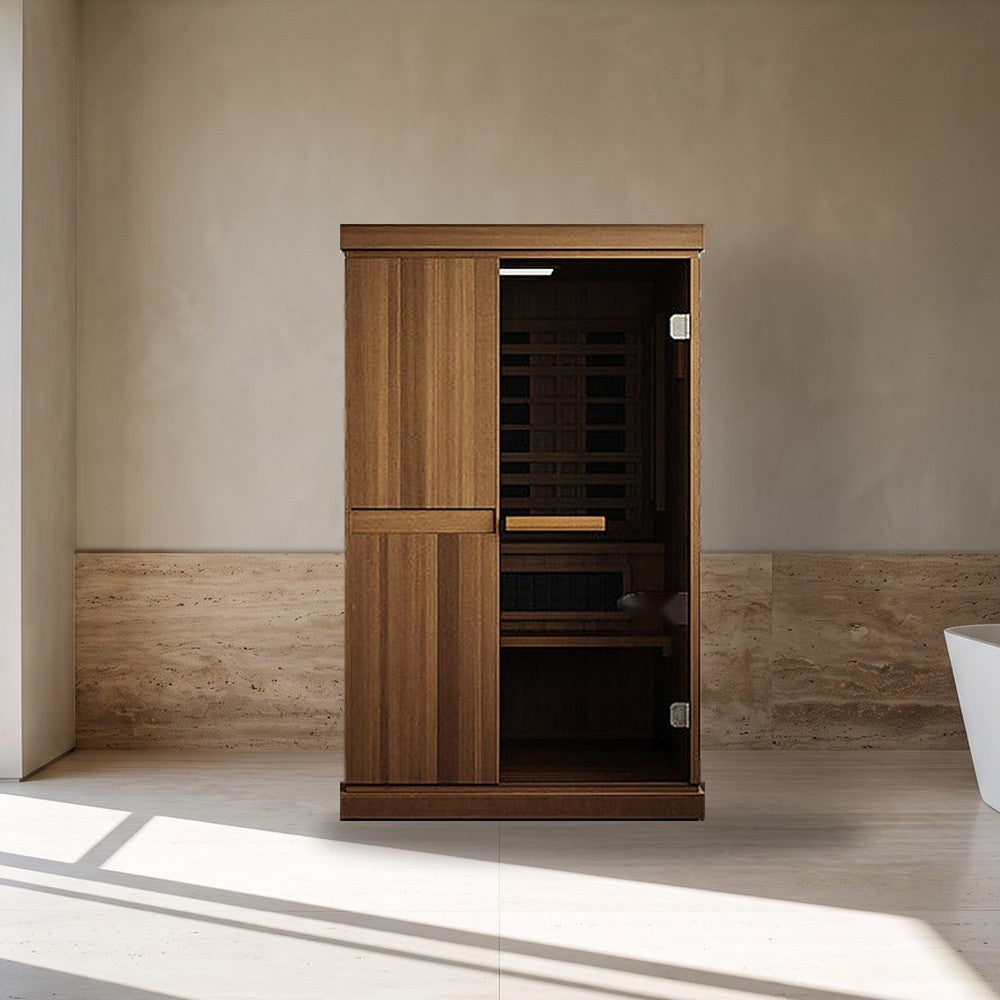
The Superior Hydra Sauna + Cold Plunge: Our flagship sauna, crafted from premium Canadian cedar, paired with a high-performance cold plunge unit. The Superior Hydra's generous interior accommodates up to four adults comfortably, making it ideal for couples or small families who wish to share the ritual. The cedar's natural thermal properties produce a heat that is exceptionally even and deeply penetrating — the kind of heat that makes the cold plunge feel, on the other side, like an almost spiritual relief.
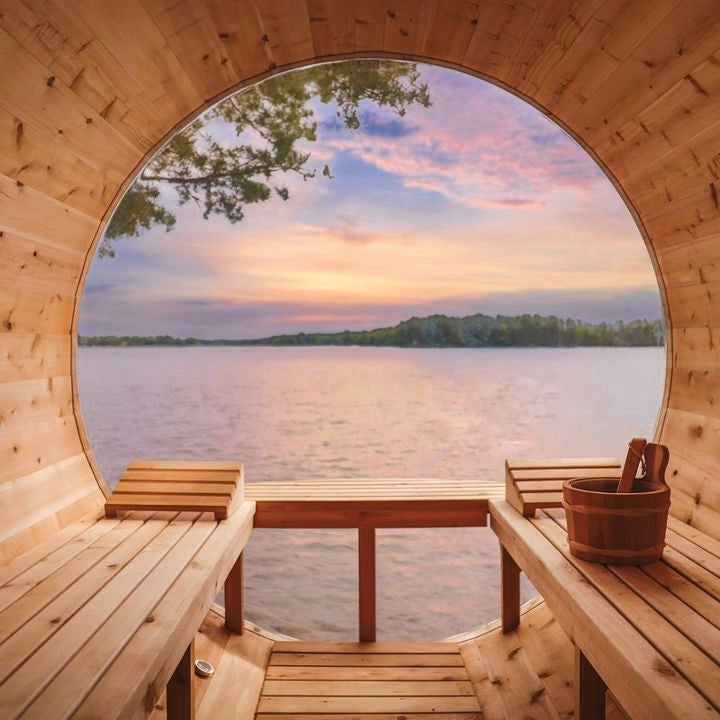
The Neptune Sauna + Cold Plunge: The Neptune is one of our most architecturally refined outdoor sauna — a structure that commands attention in any garden or property. Paired with a premium cold plunge, it creates a wellness destination that is as beautiful as it is functional. The Neptune's panoramic window brings the outdoors in during your heat session, so that in winter, you are watching snowfall while your body reaches 85°C — a contrast of sensation that begins before you even step outside.
The Hudson Sauna + Cold Plunge: The Hudson is our most versatile design — equally at home on a compact urban terrace or a sprawling lakeside property. Paired with a compact cold plunge, this combination delivers the full contrast therapy experience in a smaller footprint, making it the ideal choice for clients who want the ritual without the real estate. Do not mistake its efficiency for compromise: the Hudson delivers a sauna experience that is second to none.
Ready to design your contrast therapy sanctuary? Speak with our sauna specialists — we'll pair the perfect sauna and cold plunge for your space.
Creating Your Daily Ritual
The most transformative wellness practices are the ones you actually do. The beauty of a home contrast therapy setup is that it removes every barrier — no commute to a spa, no booking system, no shared facilities. Your sanctuary is thirty steps from your back door, available at six in the morning or ten at night, on a Tuesday in November or a Sunday in July.
Many of our clients find that the ritual structures their day in a way that nothing else has managed to. An early morning session — even a single round of heat and cold — sets a tone of intention and clarity that carries through the hours that follow. An evening session strips away the accumulated stress of the day with a completeness that feels almost alchemical.
Start simply. One round, three times a week. Let the practice find its own rhythm. Most people discover, within a matter of weeks, that they are reaching for it daily — not out of discipline, but out of desire. The body learns what is available to it, and it asks for it.
This is the ultimate Canadian wellness ritual: ancient, proven, beautiful, and entirely within reach.
Request your personalised quote and begin building the most transformative wellness space you've ever experienced. Our wellness specialists are ready to help you design a sanctuary that will serve you for decades.
Frequently Asked Questions
How cold should my cold plunge be for contrast therapy?
The optimal temperature range for cold water immersion in a contrast therapy context is 10°C to 15°C (50°F to 59°F). This range is cold enough to trigger the full physiological response — the norepinephrine spike, vagal stimulation, and vasoconstriction — without the risks associated with extreme cold exposure. Beginners may prefer to start at the warmer end of this range and gradually lower the temperature as they adapt to the practice.
How long should I spend in the sauna before a cold plunge?
For contrast therapy purposes, 12 to 20 minutes in the sauna is the recommended duration for each heat phase. This is sufficient time for your core temperature to rise meaningfully and for the cardiovascular and muscular benefits of heat exposure to accumulate. Beginners should start at the lower end of this range; experienced practitioners may extend to 20 to 25 minutes depending on temperature and individual tolerance.
Can I do contrast therapy every day?
Yes — and many practitioners do. Daily contrast therapy is well-tolerated by most healthy adults and may, with consistent practice, produce cumulative benefits beyond what intermittent sessions deliver. If you are new to the practice, beginning with three sessions per week and building toward daily use allows your body to adapt gradually. Always consult your physician if you have cardiovascular conditions, high blood pressure, or are pregnant.
What is the best time of day for a sauna and cold plunge session?
Both morning and evening sessions have distinct merits. Morning contrast therapy — particularly ending on cold — produces a state of focused, energised calm that many practitioners find ideal for creative work or demanding days. Evening sessions, particularly those ending on heat (or transitioning to a warm environment after cold), support deep, restorative sleep. Experiment with both and allow your own experience to guide your preference.
How far apart should my sauna and cold plunge be?
As close as your space allows. The ideal transition from sauna to cold plunge takes fewer than 30 seconds — the physiological benefits of the cold immersion begin to attenuate once the body starts to cool on its own during a longer walk. In practice, positioning your cold plunge directly outside the sauna door, or within a few steps, is the standard we recommend for any outdoor wellness installation. Our design team can advise on the optimal layout for your specific space — get in touch to discuss your project.